
New to ham radio?
Start here.
Amateur radio can seem complicated from the outside. There are unfamiliar terms, different kinds of radios, licensing requirements, and more ways to use the hobby than most people realize.
You don't need to understand all of that before you begin.
Whether you're interested in communicating around town, reaching people around the world, taking radio outdoors, experimenting with technology, or simply finding out what amateur radio is all about, we'll help you make sense of the basics and figure out where to go next.
What is amateur radio?
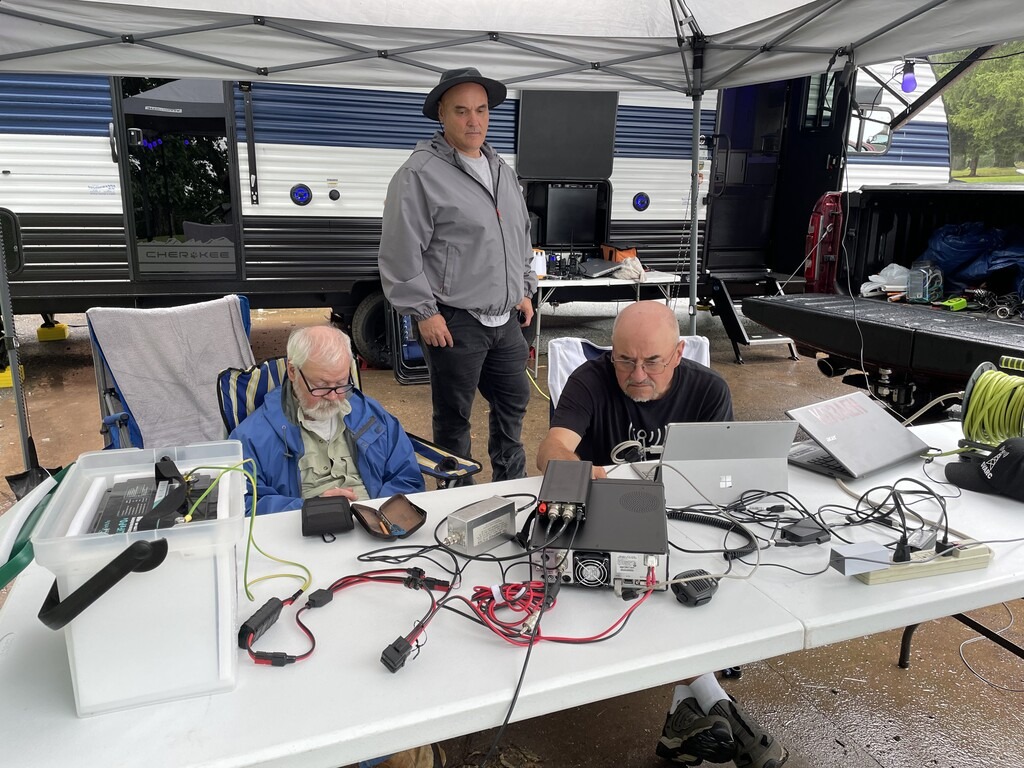
Amateur radio—often called ham radio—is a licensed radio service that gives individuals access to a wide range of frequencies and ways to communicate and experiment.
Some operators use simple handheld radios to communicate locally. Others use larger stations to make contacts hundreds or thousands of miles away. Amateur radio can also involve computers, digital communication, portable operating, satellites, antennas, electronics, public service, contests, and experimentation.
You don't have to be interested in all of it.
One of the advantages of amateur radio is that there are many different ways to participate.
What can you do with ham radio?
There isn't one correct way to enjoy amateur radio. What interests you may be completely different from what interests someone else.
Talk locally
Communicate directly with other radio operators or use repeaters to connect with people throughout your area.
Reach farther
Use HF radio and changing propagation conditions to make contacts across the country or around the world.
Take radio oudoors
Operate from parks, campsites, portable stations, special events, and other locations away from home.
Explore digital comms
Combine radio and computers for digital modes, messaging, data communication, and other modern ways of operating.
Build & experiment
Learn about antennas, electronics, software, radio propagation, equipment, and communication systems through hands-on experimentation.
Find your own corner of the hobby
Explore contesting, satellites, awards, public-service communications, weak-signal work, Morse code, and many other specialties.
A simple path to getting on the air
You don't need to learn everything about amateur radio before getting started. For most people, the path looks something like this:
1. Explore
Find out what amateur radio can do and which parts of it interest you.
There is no reason to choose equipment or start memorizing technical material before you have some idea of what you'd actually like to do with a license.
2. Get licensed
An FCC amateur radio license is required before you can transmit on amateur radio frequencies.
Most new operators begin with the Technician license. Getting there involves some study and an examination, but you do not need to be an engineer or already understand electronics to begin preparing.
We'll walk you through the process from the beginning.
3. Choose your equipment
There is no single "best first radio."
A good choice depends on where you want to operate, who you want to communicate with, how far you want to reach, and which parts of amateur radio interest you.
Before spending money, learn what the major types of radios and equipment are actually designed to do.
4. Get on the air
Receiving a callsign doesn't automatically make using a radio feel natural.
Your first contacts, repeater conversations, and net check-ins can feel unfamiliar. That's normal. A little preparation and practice go a long way.
We'll help you understand what to expect and give you some practical things to try once you're licensed.
Already partway there?
You don't have to work through this section from beginning to end. Start wherever it makes sense for you.
I'm curious, but I don't know much about ham radio yet.
See the different ways people use amateur radio and find out whether something catches your interest.
I'm ready to work on getting licensed.
Learn what the Technician license is, how the examination process works, and what you'll need to do.
I'm trying to figure out what radio to buy.
Understand the basic types of equipment before deciding what makes sense for you.
I just got my callsign. Now what?
Start turning the things you studied for the exam into actual operating experience.
Ham radio has its own language
Repeater. Simplex. HT. QSO. Elmer. HF. PL tone.
Amateur radio has accumulated plenty of terminology, abbreviations, and shorthand over the years. You'll pick it up as you go, but you shouldn't have to already speak the language to understand what you're reading.
Our glossary explains common amateur radio terms in plain English and gives you a place to look something up when you encounter an unfamiliar word or abbreviation.
You don't have to figure it out alone
Getting started in amateur radio brings up a lot of questions. Some are about licensing or equipment; others are simply things you don’t know enough about yet to know what to ask.
Whether you’d rather find an answer on your own or talk with someone locally, there are several ways to get help.
Browse the Beginner FAQ
Answers to common questions about amateur radio, licensing, equipment, getting on the air, and what to expect when you’re new.
Find a mentor
Connect with an experienced SVARC member who has volunteered to help others learn, troubleshoot problems, and find their way in the hobby.
Visit a meeting
Meet local amateur radio operators, learn more about the club, and get a better feel for the hobby in person.
Ask SVARC
Have a question that isn’t covered elsewhere? Get in touch and we’ll help point you in the right direction.
Start with what interests you
You don't need to choose a radio today. You don't need to memorize the terminology. And you don't need to know where amateur radio will eventually take you.
Start by understanding what's possible. Then take the next step when you're ready.